Why Wanda Sykes Thinks Modern Comics Are Walking on Eggshells
"Let's be honest, without some bravery, we're left with jokes that are sanitized to the point they're not even jokes anymore, just statements."
Wanda Sykes Is Over Comedy Censorship
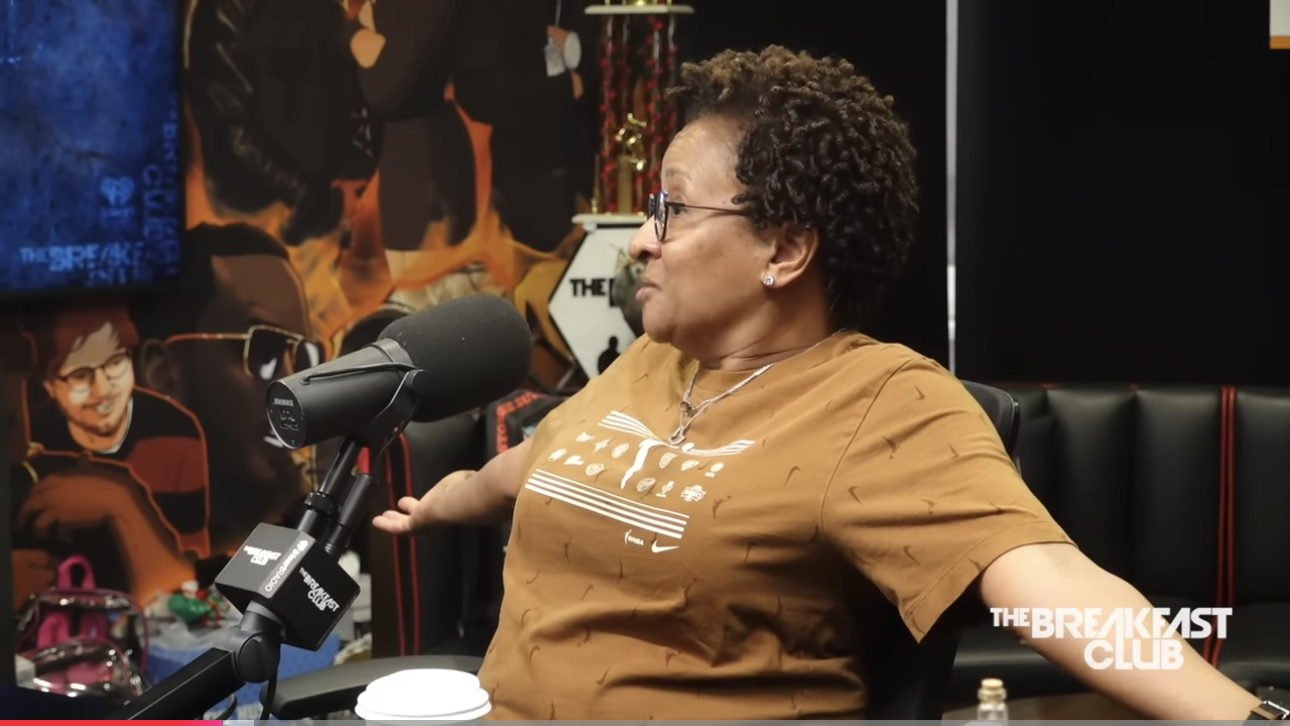
Alright folks, buckle up, because Wanda Sykes came ready to spill the tea—hot, unsweetened, and served without a coaster. While chatting with Charlamagne Tha God, DJ Envy, and Jess Hilarious on The Breakfast Club this past Monday, she didn’t hold back. "You’ve got to be brave to tell jokes these days," Sykes declared. And it wasn’t just a random gripe; it's like she was echoing an unspoken tension many comics feel in their bones. The Breakfast Club interview turned into a therapy session for a profession that’s supposed to be all about laughter.
So what's got Sykes up in arms? It’s the critics and the so-called 'joke police.' These days, it seems like comics are walking on a comedy tightrope without a safety net. One wrong move, and you're a social media trending topic—pick your platform, they’re all open 24/7 for outrage buffet.
The Chilling Effect: Why Comics Are Holding Back
Wanda wasn’t just venting, she was offering us a peek into how modern comedy has transformed from raw and unfiltered to restrained and overly cautious. Remember when comedy was about tearing up clichés and slapping stereotypes in the face? Now, it's like many comics have got their hand hovering over the 'delete tweet' button at all times—it’s beyond exhausting.
"I think there’s a section of people who lack perspective," Sykes said, and it hits home for so many. This constant policing has led to what she and others call a chilling effect over the comedy scene. There’s this fear that any joke not triple-filtered through layers of political correctness might get you 'canceled.' Remember when Mark Normand weighed in on all this saying, "Comedy has become weirdly morality-based instead of funny," in a Fox News Digital interview?
And he's not the only one. Just scroll through Twitter (or should we call it X now?) and you’ll see Comedians Big and small, blowing off steam about how challenging it is to toe the line between funny and 'appropriate.'
Social Media's Role in Comedy Policing
Speaking of Twitter, let’s talk about how social media plays Dr. Frankenstein, shocking comics into submission. Sure, platforms like Instagram and Twitter are great for promotion, but they can also be a minefield. One joke lands well with half your followers but sends the rest on a mission to cancel Christmas for you. Hashtags spring up overnight, and suddenly you're caught in the eye of a social media storm.
Just think of this tweet: @theAwfulbet didn’t shy away from criticizing a joke by saying, "I, for one, hated the jokes where Cosmo beat his Wife Wanda for loading the dishwasher wrong." I mean, even cartoons aren't safe, so what chance do live performers have?
The irony here? The immediacy of these platforms makes them the ultimate testing grounds for comedian material, yet they’re also the place where backlash breeds. Remember when Piers Morgan went in on Deon Cole? A joke about John Davidson's Tourette Syndrome had the media in a frenzy, with plenty of finger-wagging going on.
The Risk of Alienating Audiences
There's also this fear among comedians: stepping too far off the PC line could alienate audiences and, let’s face it, cash is king. In today's gig culture, every ticket sold counts, and losing fan loyalty can have a real impact. "Fewer are willing to take that risk because it may alienate potential audiences," Sykes emphasized on the show.
Remember the days when the edgier your joke, the more appealing it was? Those days seem numbered. Comedians find themselves questioning: Should I risk it for the laugh, or play it safe for the follow?
Who's Leading the Charge Against Censorship?
On a more hopeful note, there are still those out there wielding the mic like a sword, ready to fend off the 'joke police.' You’ve got heavyweights like Dave Chappelle and Ricky Gervais making waves by speaking their truth, but they’re the exception, not the rule.
Even D.C. Young Fly and Jess Hilarious, The Breakfast Club’s own, bring that raw, unfiltered joke style that reminds us of comedy’s essence. They spark debates about whether there can be humor without hurt feelings—a conversation as old as time.
The Path Forward: Courage Under Fire
So, what’s comedy’s next move? If Wanda has anything to say about it, it’s about having courage. "Be brave enough to speak your truth—jokes should resonate with authenticity," she urged on The Breakfast Club. This might sound cliché but let’s be real, without some bravery, we’re left with jokes that are sanitized to the point they’re not even jokes anymore, just statements.
Looking ahead, how comics navigate this landscape will decide not just the trajectories of their careers but also, maybe, the future of comedy. Will we see a resurgence of bold voices, or a continued softening of punchlines?
If anything, comics like Sykes are saying one thing clear: Bring your unique voice, back it up with integrity, and maybe—just maybe, you'll come out unscathed in this wilderness that is modern comedy.